Joseph R. Hren
Product Designer · AI-Native Builder

I design high-stakes workflows to be intuitive and legible. Then I build them in code.

I design how people navigate complexity. At Visa and Kaiser, that meant millions of users configuring benefits or parsing medical bills. Today it means AI-native workflows where the design problem is trust: how to surface confidence and uncertainty honestly, keep the human accountable, and never let a human gate checkpoint become a rubber stamp. I design in Figma, build the products and prototypes with code, and iterate until everything is right.

Selected Work

2020 – 2026
012026
Solo buildAI-nativeDeployed live

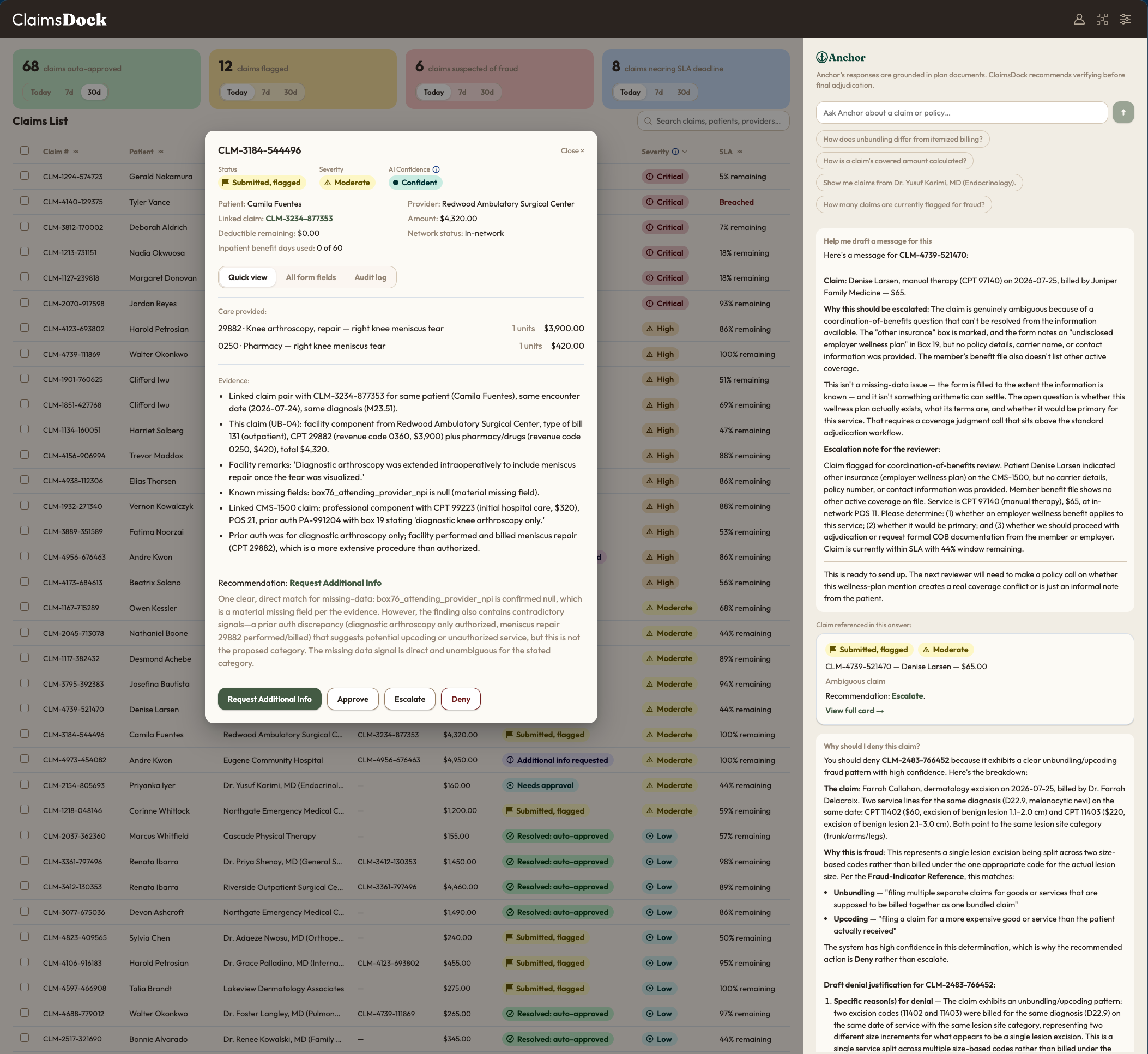
ClaimsDock

A production AI copilot for medical-claims adjudication, built and shipped solo — Claude and Kimi running the same system side by side, so I could measure the tradeoff instead of assuming it. Refined the denial-reasoning guardrail across eleven documented rounds of live failure before it held.

→ Read the case study
ClaimsDock claim detail overlay
022022–2024
EnterpriseVisaSystems design

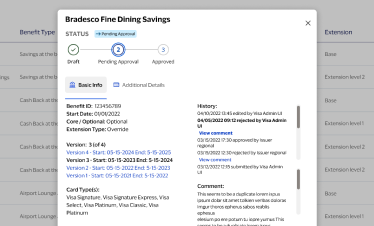
Visa Digital Benefits Platform

The system banks use to build and manage card benefit packages at scale. I designed the inheritance model, the approval workflow, and the token architecture that keep a configuration platform correct as it grows.

→ Read the case study
Visa Digital Benefits Platform
032020–2026
HealthcareCustomer-facingRebuilt with AI

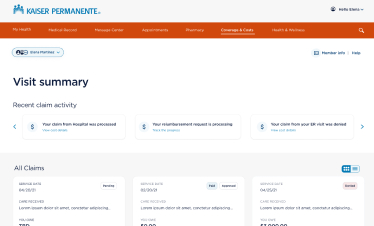
Kaiser Permanente

Kaiser members got bills they couldn't understand, and called support instead of paying them. I redesigned the claims experience so they could see what they owed and why. In 2026 I rebuilt the same design as a working prototype, directing Claude Code through Figma MCP.

→ Read the case study
Kaiser Permanente claims experience
042024
EnterpriseVisaData visualization

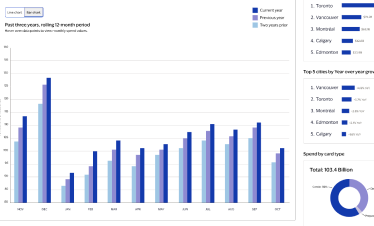
Visa Global Insights Hub

Real-time economic intelligence dashboards for government agencies and central banks. I designed a five-filter system where every combination updates five charts simultaneously, with toggle states that persist independently — turning raw transaction data into a new subscription revenue stream.

→ Read the case study
Visa Global Insights Hub
052026
Solo buildAI-nativeAccessibility

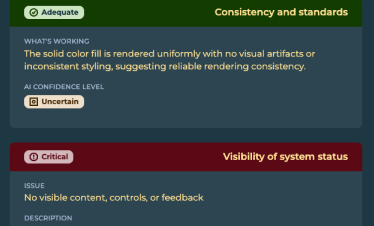
AUGUR

An AI-native heuristic and accessibility evaluation tool, built end to end — prompt architecture, trust design, and production deployment, for any URL you give it.

→ Read the case study
AUGUR heuristic and accessibility tool

Before I designed products, I designed worlds.

Ten years as an art director, graphic designer, and immersive theater artist. The work ranged from brand systems to ad campaigns to immersive theatrical installations. I've designed for websites, print posters, environmental experiences, motion graphics, infographics, and much more.

Get in touch

Get in touch

Hiring, collaboration, or just want to talk shop — drop me a line.

↓ Download résumé
Joseph R. Hren

About

Joseph has spent eighteen years in design, the last eight in product. He specializes in making complex, regulated systems — financial platforms, healthcare data, enterprise tools — legible and fast to act on.

His work spans information architecture, interaction design, and data visualization for high-stakes workflows. At Visa, he designed economic intelligence dashboards and a benefits configuration platform used across millions of accounts. At Kaiser Permanente, he made medical billing comprehensible for patients under stress. At Alation, he built data catalog interfaces grounded in actual SQL behavior.

Today he designs AI-native products: agentic workflows, retrieval-grounded assistants, and human-in-the-loop oversight systems. He treats model confidence, evidence citation, and approval guardrails as interaction design problems — decisions about how people trust what they cannot directly verify. He prototypes in Figma and ships working code, using AI-assisted workflows to prototype, test, and iterate rapidly.